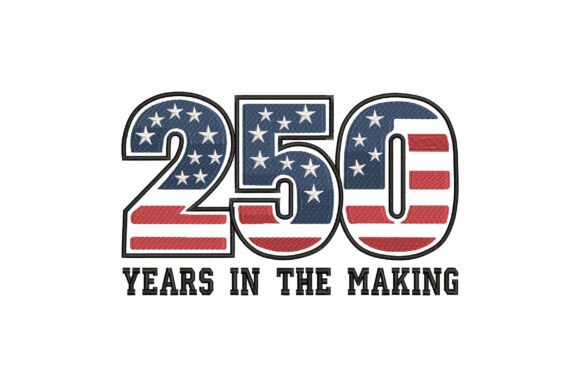
250 Years in the Making USA Embroidery Review
When I pull a new design file from my library to test for potential client work or personal craft projects, I am always looking for that specific balance between thematic relevance and stitch viability. Recently, I spent some time evaluating a digital embroidery file titled 250 Years in the Making USA. As we approach significant national milestones, the demand for patriotic apparel and home decor spikes, but not all designs are created equal. This review is based on practical application, visual analysis, and how this specific asset performs when translated from screen to fabric.
First Impressions: Mood and Visual Personality
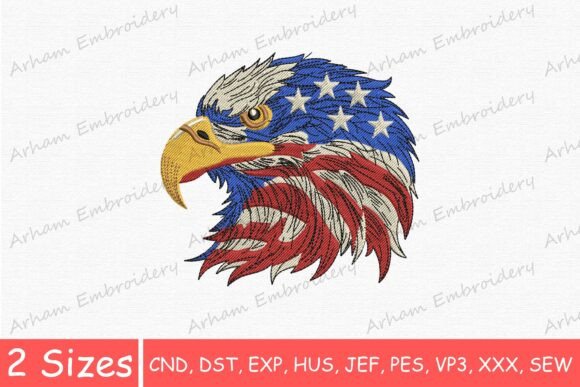
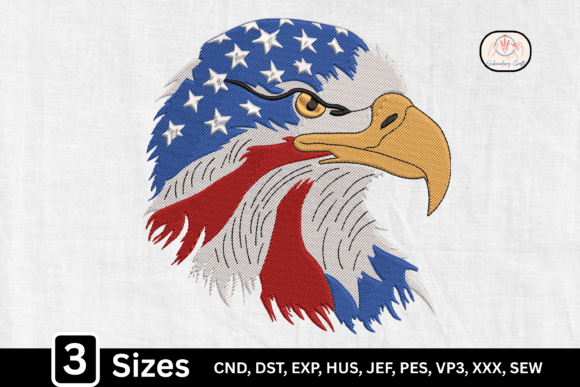
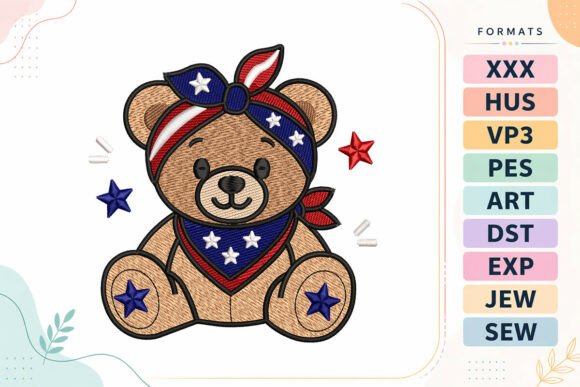
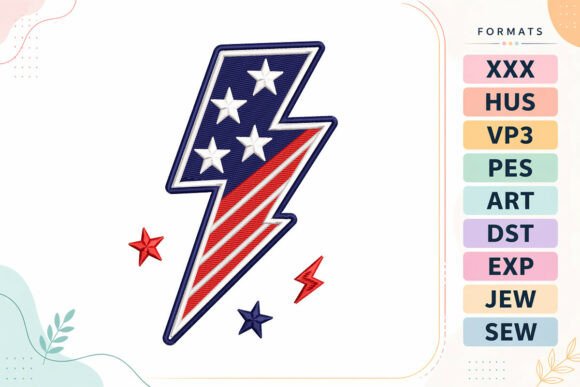
The moment you open the file, the intent is clear. The title 250 Years in the Making USA suggests a celebration of heritage, longevity, and national pride. Visually, the layout appears robust enough to stand out on various mediums, yet it carries a certain vintage charm that appeals to modern consumers who prefer subtle nostalgia over loud, generic graphics. It does not scream; it invites.
For an embroidery designer, the immediate question is always about detail retention. Does the design rely on tiny elements that will disappear after stitching? From what I can see in the preview, the lettering and accompanying graphical elements are structured with clarity in mind. The mood is celebratory but grounded, making it suitable for a wide range of audiences rather than just a niche political demographic. It feels like a design meant to be worn with pride during summer gatherings, parades, or casual weekend wear.
Real-World Application: Where This Design Shines
In my experience as a reviewer and maker, the true test of any machine embroidery design is its versatility across different product categories. I have mentally mapped out several scenarios where 250 Years in the Making USA would perform exceptionally well.
- Custom Apparel: This design has the weight and presence required for heavy cotton t-shirts or sweatshirts. Placed on the left chest of a crewneck sweatshirt, it offers a sophisticated look for cooler autumn evenings. On the back of a tee, it becomes a statement piece for holiday events.
- Home Decor and Textiles: One of my favorite applications for this type of theme is on kitchen towels or tea towels. The contrast of patriotic colors against white or cream linen creates a warm, inviting aesthetic perfect for a hostess gift. It also works beautifully on pillow covers for living room accents.
- Baby and Nursery Items: There is a growing market for personalized baby gifts. A soft onesie or a burp cloth featuring this design, perhaps in softer pastel thread variations, can serve as a meaningful keepsake for parents celebrating their child’s birth during a significant year.
- Small Business Merchandise: For Etsy sellers or craft business owners, this design is a strong candidate for tote bag designs. A canvas tote embroidered with this motif is highly giftable and functional, appealing to customers who want to carry their values with them.
I also envision this working well as an embroidered patch intended for attachment to denim jackets or backpacks. The sturdy nature of patches allows the design to hold up even if the internal stitch density is slightly higher than standard flat embroidery.
Considerations for Specific Garments
While the design is versatile, placement matters immensely. When considering sweatshirt embroidery, ensure the hoop size accommodates the curve of the shoulder without distorting the garment. For cap embroidery, the curvature of the brim can compress fine details. If the design includes intricate lines or small text, testing on a curved surface is crucial before committing to a full production run.
Technical Performance and Stitch Quality
As a professional, I scrutinize the technical aspects of any digital embroidery file. The success of 250 Years in the Making USA depends heavily on the execution of its stitches. Here is what to watch for:
- Stitch Density: Patriotic themes often involve large areas of color. Check the stitch density to ensure the fabric does not pucker. If the design uses dense fill stitches, it requires a high-quality stabilizer to maintain stability.
- Satin vs. Fill: Look at how the design handles edges. A good satin stitch should be crisp and smooth, while fill stitch areas should lay flat. If the design relies too much on thin running stitch for definition, it may look sparse on textured fabrics.
- Thread Colors: The impact of this design is tied to thread choice. Traditional red, white, and blue is expected, but experimenting with metallic threads for accents or muted tones for a vintage look can elevate the finished product.
It is vital to inspect the design assets for any overlapping elements that might cause needle breaks or thread jams. Always verify that the file is optimized for your specific machine software to avoid unexpected errors during the stitching process.
Where Caution Is Required
No single design fits every scenario perfectly. There are specific contexts where 250 Years in the Making USA might struggle:
- Small Hoop Sizes: If the design exceeds the dimensions of a 4x4 inch hoop, attempting to stitch it in sections may result in visible misalignments unless you are an expert in multi-hoop techniques.
- Textured or Stretchy Fabrics: Knits, jerseys, or heavily textured linens can distort the geometry of the design. On stretchy fabrics, the tension may cause the embroidery to wavy or distorted after washing.
- Detailed Corners: If the design features sharp angles or tiny text in the corners, these areas are prone to trimming errors or thread tangling. Always check the corner details closely.
- Dark Fabrics: While dark backgrounds can make bright threads pop, they also hide imperfections less effectively. Any unevenness in the underlay or top stitches will be more visible on black or navy fabric than on white.
Practical Advice for Makers and Sellers
Before adding this design to your catalog or using it for a personal project, follow these essential steps to ensure a professional result:
- Test on Scrap Fabric: Never skip this step. Stitch the design on the exact fabric and stabilizer combination you plan to use. This reveals issues with puckering, thread tension, or color contrast that are invisible on screen.
- Check Licensing: If you intend to sell finished items, confirm the licensing terms of the embroidery file. Ensure you have commercial rights to produce and sell products made with this design.
- Use Proper Stabilizer: The right stabilizer is half the battle. For woven fabrics, a cut-away stabilizer provides long-term stability. For knits, a tear-away or water-soluble stabilizer might be appropriate depending on the desired hand-feel.
- Review in Black and White: Convert your mockup to black and white to check contrast. If the design lacks depth in grayscale, it may lack dimension in color as well.
- Inspect Small Details: Zoom in on the digital file. Are there any isolated pixels or tiny stitches that won’t register? If so, consider simplifying the design or adjusting the scale.
Final Verdict
250 Years in the Making USA is a strong contender for anyone looking to capitalize on patriotic themes with a touch of elegance. It is not just a seasonal novelty; it is a design that respects the history it celebrates through thoughtful composition. For handmade product creators, it offers a way to add value through personalization. For commercial embroidery businesses, it is a reliable asset for holiday collections.
By paying attention to fabric choice, stabilizer support, and precise stitching parameters, you can transform this digital file into a stunning physical object. Whether you are creating a personalized gift for a neighbor or stocking shelves for your small shop product line, this design has the potential to resonate deeply with customers who appreciate quality craftsmanship and meaningful imagery.
Remember, the best embroidery comes from careful planning and respect for the medium. Test thoroughly, choose your materials wisely, and let the design speak for itself. With the right approach, 250 Years in the Making USA can become a standout piece in your portfolio.