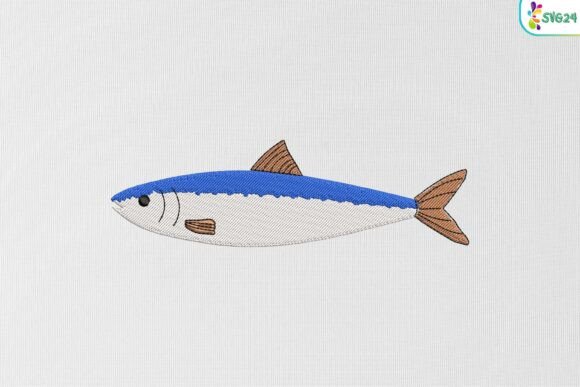
Bluefin Tuna Fish Ocean Wildlife Coastal
Walking into a busy craft fair, the first few seconds determine whether a customer stops at your booth or keeps walking. As an experienced embroidery designer, I have learned that visual impact is everything. You do not have time to explain your art; the product must speak for itself. This week, I am reviewing a specific design asset titled Bluefin Tuna Fish Ocean Wildlife Coastal to see if it has the potential to become a bestseller in my handmade shop and on my weekend market table.
The description promises a stunning marine-inspired touch, highlighting one of the ocean’s most recognizable species. For a seller specializing in coastal decor, nautical gifts, or outdoor lifestyle products, this theme hits several high-value keywords. But does the execution hold up under the scrutiny of a real-world production run? Let us break down how this machine embroidery design performs when translated from a digital screen to physical goods.
First Impressions: Bold Marine Appeal
When you first load the embroidery file, the immediate question is clarity. The Bluefin Tuna is a powerful, streamlined fish. In embroidery, large animals can sometimes lose their definition if the stitch density is too low or the details are too fine. Based on the title and description, this design appears to lean toward a detailed, realistic representation rather than a minimalist icon. This is a crucial distinction for sellers.
A detailed fish motif feels premium and artistic. It suggests quality. However, it also demands careful attention to thread colors. If the blues and silvers are not chosen well, the tuna can look muddy or flat. For a crafter fair product, you want something that pops against neutral backgrounds like canvas, denim, or cream linen. The "Coastal" aspect of the title suggests it pairs beautifully with beachy aesthetics, making it highly relevant for summer markets and holiday gift seasons alike.
Product Applications and Best Sellers
Not all products are created equal when displaying intricate designs. Here is where Bluefin Tuna Fish Ocean Wildlife Coastal shines brightest in a retail environment.
- Tote Bag Design: A heavy-duty canvas tote is the perfect canvas for this artwork. The size allows the full body of the tuna to breathe. When customers pick up a bag, they see a piece of art, not just a logo. This elevates the perceived value of the item, allowing you to charge a higher price point for your handmade product.
- Apron Embroidery: For the cooking enthusiast or the seafood lover, placing this design on the chest of a kitchen apron is a strong move. It adds personality to the kitchen. Ensure the placement is centered and balanced so the fish looks natural, not cramped.
- Tea Towel Embroidery: Linen or cotton tea towels are impulse buy items. A smaller, cropped version of the tuna works wonderfully here. It serves as a decorative accent that ties a kitchen set together. These are excellent add-on items at the register.
- Embroidered Patch: Creating a detachable patch from this design offers versatility. Customers can attach it to backpacks, jackets, or hats. Patches are low-cost to produce but have high perceived value, making them great for moving inventory quickly.
- Caps and Headwear: Curved surfaces present a challenge. If the design is too wide, it will distort on the curve of a baseball cap. Use this design sparingly on headwear, perhaps as a left-chest accent, to maintain its integrity.
Production Practicality and Quality Control
As a business owner, efficiency matters. Can you produce these items in batches without sacrificing quality? The answer depends largely on the technical specs of the digital embroidery file. Before committing to a large run of commercial embroidery products, you must evaluate the following factors.
First, check the stitch density. Dense areas require proper stabilization to prevent fabric puckering. If the tuna’s scales or fins are rendered with very tight satin stitches, you may need a cut-away stabilizer, especially on stretchy fabrics like jersey or thin cotton blends. For woven fabrics like canvas or linen, a tear-away might suffice, but always test first.
Second, consider the hoop size. If the design requires a large hoop, your production speed will slow down because you have to re-hoop more frequently. Conversely, a compact design allows for faster turnaround times. Review the file properties to ensure the dimensions match your intended product size. If you plan to digitize this further or resize it, be aware that scaling down a detailed fish can result in lost detail, while scaling up might reveal pixelation or awkward spacing between stitches.
Third, inspect the thread colors. A successful Etsy seller knows that photography is half the sale. Does the blue contrast enough with the fabric? If you are embroidering on dark fabric, you will need an underlay or a light-colored base layer to make the colors vibrant. On white or light fabrics, the blues will stand out sharply, creating a clean, modern look.
Photography and Market Positioning
In the digital age, your printable mockup is just as important as the physical item. The Bluefin Tuna is a visually striking subject. When photographing your finished products, use natural lighting to highlight the texture of the threads. The sheen of polyester or rayon threads can catch the light, adding depth to the fish’s scales.
Position your booth displays strategically. Hang tote bags at eye level so the design is immediately visible. Group similar items together to create a cohesive collection. For example, display a matching set of an apron, tea towel, and pouch featuring the same tuna motif. This encourages bundle purchases and increases your average order value.
Target your marketing towards specific niches. Fishermen, marine biologists, sustainable seafood advocates, and coastal home decorators are your ideal customers. Use keywords like "nautical," "ocean life," "seafood lover," and "beach house decor" in your listings. This helps you reach buyers who are actively searching for unique, handcrafted items rather than mass-produced merchandise.
Essential Designer Notes for Success
To ensure your investment in this design pays off, follow these practical steps:
- Test on Scrap Fabric: Never run a new design directly onto your final product. Test on the exact fabric type and color you plan to sell. Check for registration issues and color accuracy.
- Check Thread Contrast: Ensure the thread colors provide enough contrast against the fabric. Low contrast designs often look faded and cheap in person.
- Review Spacing: Look closely at the spacing between stitches. Are there any gaps that might show the fabric underneath? Is the underlay sufficient?
- Confirm Hoop Size: Verify that the design fits comfortably within your machine’s maximum hoop size to avoid trimming errors.
- Inspect Stitch Density: High density can cause needle breaks or fabric distortion. Adjust tension settings as needed during testing.
- Create Real Mockups: Produce at least one complete sample. Take photos from multiple angles. Show the back of the work to demonstrate professional finishing.
- Compare Fabric Colors: Different shades of blue or white can drastically change the look of the design. Offer options if possible.
- Confirm Commercial Licensing: Most importantly, verify that you have the right to sell finished products made from this design. Unauthorized commercial use can lead to legal issues. Always read the license terms included with the design assets.
Ultimately, Bluefin Tuna Fish Ocean Wildlife Coastal has the potential to be a standout item in your collection. It combines artistic appeal with broad market relevance. By paying attention to production details and presenting the products effectively, you can turn this single design into a profitable line of small shop products that customers love. Happy stitching!