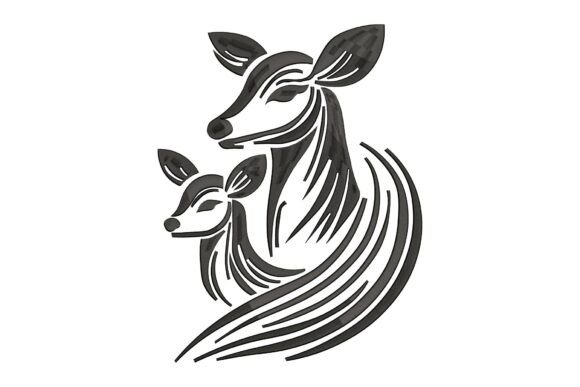
Deer and Fawn: A Designer’s Review for Small Business Merch
As an embroidery designer who has spent years turning digital files into tangible brand assets, I approach every new design with a specific set of questions. Does it hold up at small sizes? Is the stitch density appropriate for high-volume production? Does it convey the right emotional tone for a paying customer? Today, I am reviewing the Deer and Fawn machine embroidery design from the Woodland Animals category. This piece is marketed as bringing "a touch of elegance" to projects like t-shirts, tote bags, cushions, and table linens. But does that elegance translate into commercial viability for small business owners, Etsy sellers, and apparel decorators?
The answer is nuanced. While Deer and Fawn offers a strong visual foundation for boutique branding, its success in real-world application depends entirely on how you execute the digitization and fabric selection. Below is my professional breakdown of this design’s potential for branded patches, uniforms, and merchandise.
First Impressions: Visual Personality and Brand Alignment
When I first loaded the Deer and Fawn file into my software, the immediate takeaway was its balance between rustic charm and refined detail. The title suggests a classic woodland theme, but the description promises elegance. In practice, this means the design likely avoids being overly cartoonish or childish, which is crucial for businesses targeting adults or premium markets.
For a small café, bakery, or florist, this design strikes a chord. It feels handmade yet polished. It is not bold and aggressive; rather, it is inviting and soft. This makes it an excellent choice for brands that want to communicate warmth, nature, and quality. However, if your brand identity is strictly modern, minimalist, or industrial, this design might feel too decorative. It fits best with brands that lean into organic materials, artisanal goods, or cozy aesthetics.
The "elegance" mentioned in the product description usually implies clean lines and thoughtful negative space. For a designer, this is good news. It suggests the design will not look cluttered when reduced to the size of a chest logo or a small patch. But we must remain cautious about the level of detail. If the fawn features intricate fur textures or tiny facial details, those elements may disappear or merge during the stitching process, especially on textured fabrics.
Real-World Application: Where Deer and Fawn Shines
In my experience, the most profitable use of designs like Deer and Fawn is in complementary merchandise rather than primary apparel graphics. Here is where this design delivers the highest value for small business owners:
- Emblematic Patches: One of the strongest use cases for this design is as an embroidered patch. Whether sewn onto denim jackets, canvas totes, or leather aprons, the deer motif adds a focal point without overwhelming the garment. Patches allow you to test the design’s durability and visual impact before committing to full-scale apparel production.
- Tote Bag Accents: Canvas tote bags are a staple for crafters and boutique owners. Placing Deer and Fawn on the front pocket or center panel of a tote bag creates a cohesive brand look. The design’s elegance works well here, suggesting that the contents of the bag (perhaps handmade soaps, baked goods, or books) are also of high quality.
- Apron Embroidery: For bakers, baristas, or artisans, custom aprons are both functional marketing tools and revenue generators. A subtle deer design on the bib or pocket of an apron adds a personal touch that customers appreciate. It signals care and attention to detail, which builds trust with your clientele.
- Cup and Cap Embroidery: Structured caps often feature smaller logos. If the Deer and Fawn file is digitized correctly, it can serve as a charming left-chest logo or a back-panel accent. It pairs exceptionally well with earth-toned caps (olive, beige, navy), reinforcing a natural brand identity.
- Product Packaging and Tags: Beyond apparel, this design can be used on woven labels or hang tags attached to handmade products. A small embroidered tag featuring the fawn adds a premium unboxing experience, elevating the perceived value of your finished product.
Strategic Considerations: When to Use Caution
Not every surface is suitable for every design. As a designer, I advise clients to evaluate the following constraints before adding Deer and Fawn to their production line:
Small Patch Sizes and Cap Fronts: If you intend to use this design on a cap front or a very small patch (under two inches), you must verify the stitch density. Fine details, such as the eyes or inner ears of the fawn, may become muddy or lost. In these cases, simplifying the design or increasing the distance between stitches is necessary to maintain clarity.
Fabric Texture and Stability: Embroidery interacts directly with fabric texture. On highly textured materials like heavy tweed or loose-weave linen, the design may distort. Conversely, on smooth cotton or polyester blends, the design will likely shine. Always test on your actual production fabric. If you are embroidering on dark uniforms, ensure you have sufficient underlay and topstitch coverage to prevent the fabric color from showing through, which can dull the elegance of the thread colors.
High Wash Frequency: Items like work shirts or baby clothing undergo frequent washing. Designs with long, floating stitches are prone to snagging. Check the digitization of Deer and Fawn to ensure that all stitches are properly anchored. If the design has large areas of satin stitch that are not reinforced, they may fray over time, damaging your brand reputation.
Impact on Brand Identity and Customer Trust
Using a design like Deer and Fawn is not just about decoration; it is about communicating your brand’s values. A beautifully executed embroidery project signals professionalism. It tells the customer that you have invested time and resources into the presentation of your goods. This enhances brand recognition and fosters loyalty.
When a customer sees a consistent, high-quality embroidered logo on a tote bag or apron, it reinforces the idea that your business is established and trustworthy. The "handmade" aesthetic of embroidery connects emotionally with buyers who value craftsmanship. By choosing a design that balances nature and elegance, you align your brand with concepts of sustainability, gentleness, and quality—attributes that resonate deeply in today’s market.
Practical Designer Notes for Production
Before you order bulk runs or list items on Etsy, follow these essential steps to ensure the Deer and Fawn design performs well:
- Test in Black and White: Convert the design to monochrome to check contrast and spacing. This helps identify areas that might be too dense or too sparse.
- Check Hoop Size and File Format: Confirm that the digital embroidery file fits within your standard hoop sizes. Ensure the file format is compatible with your embroidery machines.
- Thread Color Contrast: Select thread colors that pop against your fabric. Light threads on dark fabric require more coverage, while dark threads on light fabric offer crisp definition.
- Stabilizer Selection: Use the correct stabilizer (cut-away vs. tear-away) based on the fabric type. Improper stabilization leads to puckering, which ruins the elegant finish.
- Create a Printable Mockup: Before cutting fabric, create a printable mockup to visualize the design on the final product. This allows for client approval and reduces waste.
- Verify Commercial Licensing: Most importantly, confirm that you have the proper commercial license to sell products made with this embroidery file. Digital assets often have strict usage terms that differ from personal use licenses.
In conclusion, Deer and Fawn is a versatile and elegant addition to any small business’s design asset library. It works beautifully for tote bags, aprons, and patches, provided you pay attention to stitch density and fabric choice. By treating this design with the same rigor as any other critical brand element, you can create merchandise that not only looks beautiful but also drives sales and strengthens your brand identity.