Embrodroy Floral Design Review
As an experienced embroidery designer, I spend most of my days analyzing stitch paths, evaluating underlay density, and visualizing how a digital file will translate into physical thread. When it comes to Single Flowers in the realm of Embroidery, there is a fine line between decorative clutter and sophisticated branding. Today, I am reviewing the Embrodroy Floral Design with a specific focus on its viability for small business merchandise, branded patches, and commercial apparel applications. This is not just about making something pretty; it is about determining if this machine embroidery design holds up under the scrutiny of retail customers and daily wear.
First Impressions: A Timeless Aesthetic for Modern Brands
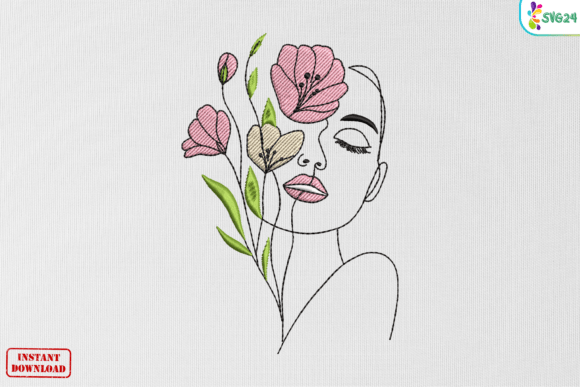
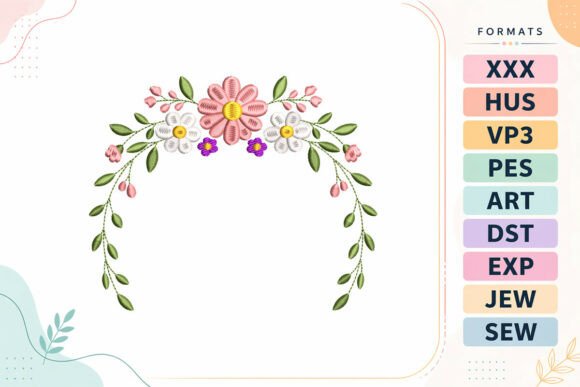
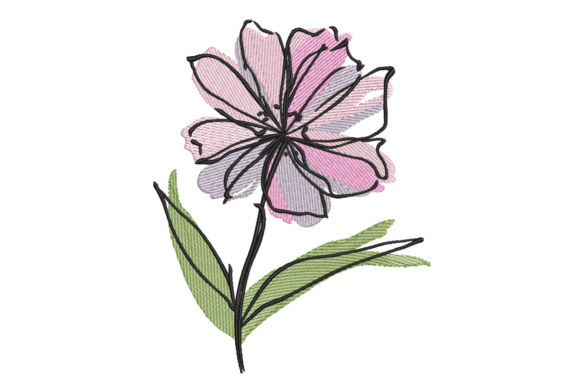
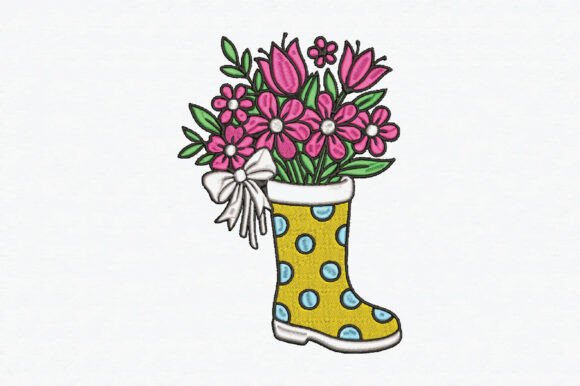
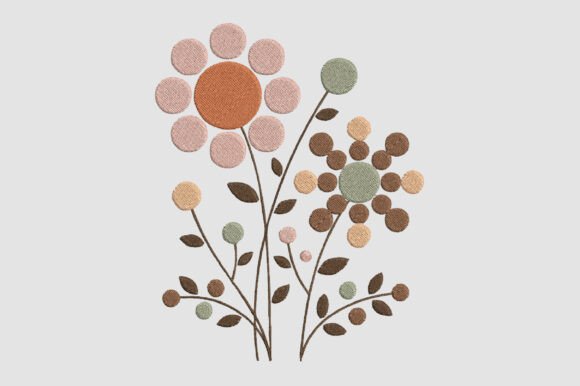
The description highlights that this design features "elegant and timeless flower patterns," blending classic botanical elements with versatility. From a design perspective, this suggests a strong potential for brands aiming for a premium, handmade feel without appearing dated. The term "timeless" is crucial for small business merch because it implies longevity. You do not want your branded aprons or tote bags to look like they belong to a trend cycle that ended six months ago.
Visually, Embrodroy Floral Design likely strikes a balance between delicate and durable. For a boutique clothing store, a local florist, or a creative studio, this aesthetic communicates professionalism and care. It feels less like a generic clip-art flower and more like a curated asset. The elegance of the pattern allows it to serve as a subtle accent rather than a loud statement, which is often preferred for high-end custom apparel where you want the quality of the garment to shine alongside the logo.
Real-World Business Applications
The true test of any embroidery file is its performance across various product categories. Here is how Embrodroy Floral Design translates into real-world business assets:
- Branded Patches: One of the strongest use cases for this design is the creation of embroidered patches. Whether attached to denim jackets, backpacks, or work uniforms, a floral motif adds a touch of personality. If the design has clean edges and sufficient negative space, it will digitize beautifully as a standalone patch, serving as a powerful tool for brand identity.
- Staff Uniforms and Aprons: For cafes, bakeries, or boutiques, uniformity builds trust. Placing Embrodroy Floral Design on the chest of a work shirt or the pocket of an apron embroidery project creates a cohesive team look. It softens the corporate feel while maintaining a professional appearance. Staff members become walking billboards for a brand that values aesthetics.
- Caps and Headwear: Cap embroidery requires designs that fit within a curved, limited canvas. If this floral design is compact enough, it can sit perfectly on the front panel of a trucker hat or baseball cap. This is a staple item for craft fairs, farmers markets, and promotional events, offering high visibility for your handmade product line.
- Tote Bags and Retail Packaging: A tote bag design featuring this floral motif appeals directly to the eco-conscious consumer. It elevates a simple canvas bag into a fashion accessory. Furthermore, using this design on product packaging accents—such as embroidered labels sewn into garments or gift boxes—adds a tactile element that customers appreciate, enhancing the unboxing experience.
- Etsy Branding and Digital Assets: For sellers on platforms like Etsy, visual consistency is key. Using Embrodroy Floral Design across your listings, mockups, and actual products helps build recognition. It becomes part of your visual language, signaling to buyers that they are purchasing from a thoughtful, detail-oriented creator.
Strategic Placement for Maximum Impact
When integrating this design into your inventory, consider placement carefully. A small chest logo offers subtlety, while a back-print style placement (if scaled appropriately) makes a bold statement. For commercial embroidery, using the design as a sleeve detail on a dress or a cuff accent on a jacket can differentiate your items from mass-produced competitors. It transforms a basic item into a unique piece of art.
Critical Considerations and Limitations
While the aesthetic appeal is high, every designer must be realistic about technical limitations. Not every fabric or surface is suitable for intricate floral work. Here is where you need to exercise caution:
- Small Patch Sizes: If you plan to scale this down significantly for tiny labels or small pin-back patches, you risk losing detail. Fine lines may merge, and the "elegance" could turn into a muddy blob. Always test at 100% intended size before committing to production.
- Curved Surfaces: Embroidering on the front of a cap or the curve of a bucket hat distorts the image. Designs with straight vertical stems or sharp angles may warp. Ensure the floral pattern has enough organic flow to accommodate curvature without looking stretched.
- High Stitch Density: Floral designs can sometimes suffer from excessive density if not digitized correctly. On thin fabrics, this can cause puckering. Conversely, on thick denim, it might be too stiff. Check the stitch count relative to the fabric weight.
- Fabric Texture and Color: Dark uniforms require a dense underlay and potentially a backing to prevent show-through. Textured fabrics like bouclé or heavy tweed can hide the details of the flowers. Light-colored, smooth fabrics like cotton twill or linen will showcase the thread colors best.
- Durability and Washing: For items that undergo frequent washing, such as staff aprons or customer tote bags, ensure the design is secure. Loose threads on floral petals can snag. Proper stabilizer usage is non-negotiable here to maintain integrity over time.
Impact on Brand Identity and Customer Trust
Quality embroidery signals quality craftsmanship. When a customer sees Embrodroy Floral Design stitched onto a product, they perceive value. It suggests that the business owner cares about the details. This perception directly influences buyer engagement and willingness to pay a premium price. In a crowded market, the tactile experience of embroidery sets you apart from brands that rely solely on screen printing or heat transfers, which can crack or fade.
Furthermore, a consistent floral motif can become synonymous with your brand. Think of iconic luxury houses that use specific monograms or patterns. While you may not reach that level of fame immediately, establishing a recognizable visual anchor helps with brand identity. Customers begin to associate that elegant flower with your shop’s standards of excellence.
Practical Designer Notes for Production
Before you run this through your machine for a full batch order, follow these essential steps to avoid costly mistakes:
- Test in Black and White: View the design file in grayscale first. This helps you assess the contrast and spacing without the distraction of color. If the shapes don’t read clearly in black and white, they won’t read clearly in thread.
- Check Hoop Size and File Format: Confirm that the hoop size accommodates your desired product dimensions. Ensure the digital embroidery file format matches your machine’s requirements.
- Inspect Thread Color Contrast: Choose thread colors that pop against your base fabric. Pastel flowers on light yellow fabric might disappear. High contrast ensures the design remains legible and attractive.
- Review Spacing and Outlines: Look closely at the digitization. Are the outlines too tight? Is there enough space between petals to allow for proper stitching? Poor spacing leads to needle breaks and thread jams.
- Stabilizer Selection: Use the correct stabilizer for your fabric. Cut-away stabilizers are generally best for woven garments and caps to provide long-term support, while tear-away may suffice for temporary projects like tote bags.
- Create a Printable Mockup: Before sewing, create a printable mockup or a low-cost test run on scrap fabric. This allows you to verify the scale and placement on the actual product.
- Confirm Commercial Licensing: Most importantly, verify that you have the right to use this design for commercial embroidery purposes. Ensure you are not infringing on intellectual property rights when selling finished goods.
In conclusion, Embrodroy Floral Design presents a compelling option for small business owners seeking to elevate their merchandise. Its elegant, timeless nature aligns well with brands focused on quality and authenticity. By paying attention to technical details like stitch density, fabric choice, and licensing, you can leverage this design to create memorable, high-value products that resonate with your customers.