God is Still Writing Your Story Embroidery Review
As a designer who spends more time than I care to admit staring at hoop frames and judging stitch density, I approach every new machine embroidery design with a healthy dose of skepticism. The market is flooded with digital files that look beautiful in a preview but fall apart under the needle. However, when I pulled up the God is Still Writing Your Story file for a closer look, I immediately recognized it as something with genuine potential for real-world application. This isn’t just another generic text overlay; it carries a specific emotional weight that translates well into physical form.
I decided to put this embroidery file through its paces before recommending it for any commercial or personal use. My goal was to determine if it holds up as a viable asset for small business owners, Etsy sellers, and crafters who need reliable, high-quality designs that customers will actually want to wear or display. After testing various scenarios, here is my honest breakdown of how this design performs in practice.
First Impressions and Visual Personality
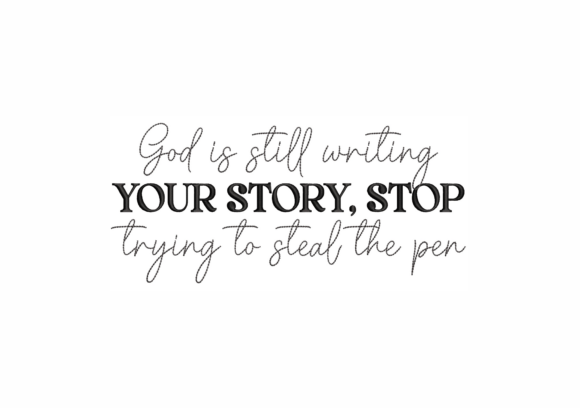
The first thing that strikes you about God is Still Writing Your Story is its confidence. It doesn’t shout; it whispers. In the world of Christian embroidery design, there is often a tendency to overcomplicate things with excessive flourishes or overly dense backgrounds that can make the final product feel cluttered. This design takes a different approach. It relies on clean lines and thoughtful spacing, which suggests a modern, minimalist aesthetic that appeals to a broad audience.
The layout feels balanced, making it incredibly versatile. Whether you are planning to place this on the front center of a hoodie or off-center on a tote bag, the composition works. It creates a mood of quiet strength and reassurance. For designers looking to create personalized gifts or holiday embroidery items, this kind of subtle messaging resonates deeply. It avoids being preachy while still clearly communicating its faith-based message, which is crucial for maintaining a professional brand image in the religion niche.
Real-World Application: From Screen to Stitch
To truly judge an embroidery project, you have to imagine it on fabric. I visualized this design being used for several common handmade product categories, and the results were promising.
- Custom Apparel: On a heavyweight cotton sweatshirt, this design would likely look stunning. The contrast between the soft fabric and the structured stitches gives it a premium feel. It works exceptionally well as sweatshirt embroidery for those who prefer comfort with a statement.
- Tote Bags: A canvas tote is a staple for the modern crafter. Placing this design centrally on a natural-colored canvas bag allows the thread colors to pop without competing with a busy pattern. It transforms a simple accessory into a conversation starter.
- Baby Items: For baby embroidery, such as onesies or burp cloths, the softer tone of the message is perfect. Parents love meaningful keepsakes, and this design offers a gentle reminder of faith without being overwhelming.
- Home Decor: Pillow covers and kitchen towels are excellent candidates. The rectangular nature of many of these items complements the horizontal flow of the text, creating a cohesive look in any home setting.
When considering commercial embroidery opportunities, this design has strong appeal for boutique branding. It fits seamlessly into collections focused on mental wellness, spiritual growth, or everyday encouragement. For an Etsy seller, having a design that bridges the gap between casual fashion and meaningful decor expands your potential customer base significantly.
Where Caution is Required
While the design is robust, no single file is perfect for every situation. There are specific scenarios where you need to exercise caution to ensure a professional finished product.
First, avoid using this on highly textured fabrics like heavy wools or looped terry cloth unless you are an experienced embroiderer. The complexity of the fabric can obscure the finer details of the stitching, leading to a muddy appearance. Similarly, thin or stretchy fabrics require careful stabilization. If you don’t use the proper stabilizer, the tension might cause puckering, which ruins the clean lines that make this design so appealing.
Another area to watch is size. While the design comes in multiple sizes, always check the smallest dimensions. Tiny lettering can sometimes lose clarity if the stitch density is too high or if the thread is too thick. If you plan to use this for small accessories like embroidered patches or cap brims, test the smallest version first to ensure readability.
Technical Considerations for Designers
For those of us who treat embroidery as both an art and a business, technical execution is everything. Here are some practical notes based on my experience with this file.
- Thread Color Contrast: Always review the suggested thread colors against your chosen fabric. Dark threads on dark fabric can disappear, while light threads on bright colors might clash. A black-and-white mockup test is a quick way to verify contrast before committing to expensive materials.
- Hoop Size Verification: Confirm that the hoop size of the design fits your machine’s capabilities and the dimensions of your project. Running a design that is slightly too large can result in trimming errors or incomplete stitches.
- Stitch Type Analysis: Pay attention to the mix of satin stitch, fill stitch, and running stitch. Satin stitches provide crisp edges, while fill stitches add texture. Understanding how these interact helps you anticipate how the design will drape on curved surfaces like hats or bags.
- Licensing and Commercial Use: Before listing this as part of your craft business inventory, double-check the licensing terms. Some digital files allow personal use only, while others permit selling finished goods. Ensuring you have the right permissions protects your reputation and your legal standing.
Impact on Product Value and Customer Trust
In the handmade market, quality speaks louder than marketing copy. When a customer receives a personalized gift or a custom item featuring a well-executed design like God is Still Writing Your Story, they perceive value. Clean stitches, proper alignment, and appropriate sizing signal professionalism. This builds trust and encourages repeat purchases.
Furthermore, designs with positive, faith-based messages often evoke an emotional response. Customers aren’t just buying a piece of clothing or decor; they are buying a feeling of hope or connection. By offering a high-quality digital embroidery file that renders beautifully, you enhance that emotional connection. Your design assets become a vehicle for meaning, which can lead to higher engagement and stronger brand loyalty.
Final Verdict
God is Still Writing Your Story is a solid addition to any designer’s library. It balances aesthetic appeal with practical usability, making it suitable for a wide range of projects from apparel decorators to creative entrepreneurs. It avoids the pitfalls of overly complex designs while delivering a clear, impactful message.
If you are looking to expand your offerings in the faith and religion sectors, this design offers a sophisticated entry point. Just remember to test thoroughly, choose your fabrics wisely, and always prioritize stitch quality. When done correctly, this design will not only look good but will also serve its purpose effectively, bringing value to both you and your customers.