Honey Bee Hive Embroidery Design Review
As an embroidery designer who spends hours evaluating digital assets for both personal passion projects and commercial client work, I approach every new download with a mix of curiosity and skepticism. The market is flooded with generic clipart converted into stitch files, so finding a design that truly balances aesthetic charm with technical viability is rare. Recently, I reviewed the Honey Bee Hive from Creative Fabrica to see if it would hold up in a real-world production environment. Below is my honest assessment of this design’s potential for your handmade business or personal crafting library.
First Impressions and Visual Appeal
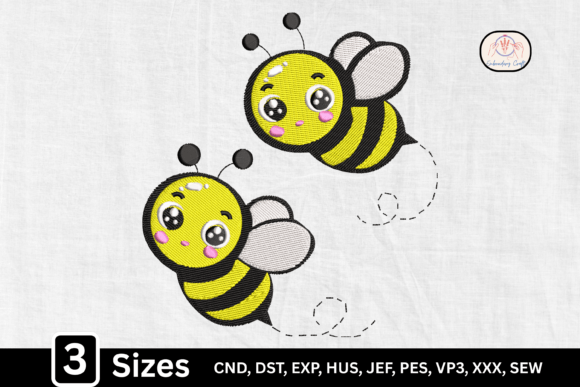
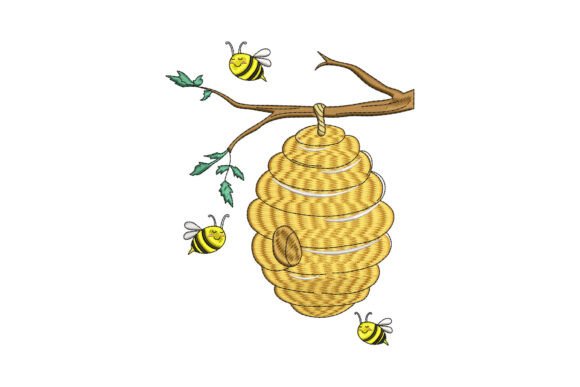
The Honey Bee Hive immediately caught my eye because it avoids the overly complex, cluttered look that often plagues bug-themed designs. Instead, it offers a subtle touch of charm that feels versatile rather than niche. For a designer looking to add a decorative element without overwhelming the garment or accessory, this file strikes the right balance. The visual mood is warm and inviting, making it suitable for a wide range of aesthetics, from rustic farmhouse decor to modern nursery themes.
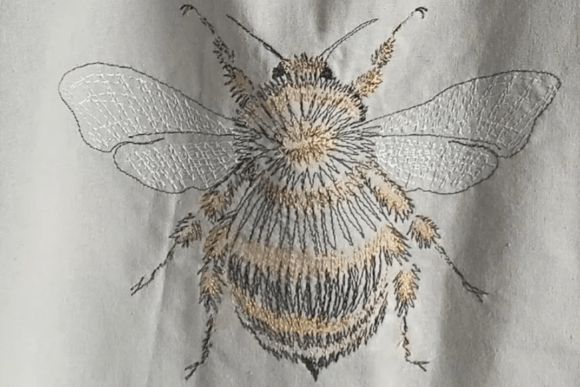
What stands out most is the design’s personality. It doesn’t just sit there; it has a lightness that suggests movement and natural beauty. This is crucial for embroidery, where static images can sometimes feel heavy on fabric. The Honey Bee Hive appears to use a combination of stitch types that likely mimic the texture of wax and the delicate wings of bees, creating a piece that feels organic. For those who appreciate the nuance between a simple icon and a true machine embroidery design, this file delivers on its promise of creativity.
Performance in Real-World Applications
I evaluated how this embroidery file might perform across various product categories commonly sold by small business owners and Etsy sellers. Here is how it translates from screen to fabric:
- Custom Apparel and Sweatshirts: On soft cotton blends or fleece, this design could serve as a charming accent on the chest or sleeve. However, due to its likely compact nature, it works best as part of a larger composition or as a standalone detail on high-quality blanks. It adds a "handmade" touch that resonates well with customers looking for personalized gift items.
- Tote Bags and Canvas Goods: A tote bag design benefits from sturdy stitching. If the Honey Bee Hive utilizes dense fill stitches, it will stand up well to the friction and wear of canvas. This makes it an excellent candidate for eco-friendly branding or boutique merchandise.
- Baby Items and Nursery Decor: Soft textures are key here. If the design incorporates satin stitches for smooth edges, it is safe for baby blankets and burp cloths. The theme fits perfectly with woodland or garden-themed nurseries, appealing to parents seeking unique home décor elements.
- Kitchen Towels and Aprons: These items see frequent washing. The durability of the design depends heavily on the underlying stitch density. A well-executed Honey Bee Hive can elevate a simple kitchen towel into a premium commercial embroidery product, increasing its perceived value.
- Caps and Patches: Curved surfaces like caps require precise digitizing. If the design is too large or has excessive thread tension, it may pucker. Conversely, a smaller, well-balanced version could make a delightful embroidered patch for denim jackets or hats.
Practical Considerations for Embroiderers
Before committing to mass production or selling finished goods, several technical factors must be considered. The success of any digital embroidery file relies on the interplay between the design, the fabric, and the stabilizer.
Stitch Density and Hoop Size: One of the first things I check is the stitch count and density. Designs with high density can cause puckering, especially on lightweight fabrics. Conversely, designs that are too sparse may not cover the fabric adequately. You must confirm the hoop size requirements to ensure it fits your machine and your project dimensions. If the design includes tiny lettering or intricate details, verify that your machine can resolve these fine points without breaking threads.
Fabric Compatibility: Testing is non-negotiable. Always test on scrap fabric similar to your final product. Stretchy knits require different stabilization than woven cottons. Dark fabrics may require a different thread color strategy or a backing to prevent show-through. When evaluating the Honey Bee Hive, compare light and dark fabric mockups to ensure the thread colors pop appropriately. If the design uses multiple thread colors, ensure you have the necessary spools to maintain brand consistency.
Stabilizer Selection: Using the proper stabilizer is critical. Cut-away stabilizers are generally recommended for stretchy fabrics or garments that will undergo frequent washing, while tear-away may suffice for stable home décor items like pillow covers. Incorrect stabilization can ruin even the best design assets.
Impact on Product Value and Branding
In the world of handmade products, presentation is everything. A well-executed embroidery enhances the tactile experience for the buyer, which directly influences customer engagement and trust. The Honey Bee Hive design, with its natural theme, lends itself well to brands focused on sustainability, nature, or artisanal quality.
When photographing your finished product, this design offers good versatility. Its moderate scale allows it to shine in close-up shots, highlighting the texture of the stitches. This attention to detail signals professionalism and care, which are essential for justifying premium pricing in competitive markets like Etsy or craft fairs. Furthermore, using a cohesive set of design assets helps build a recognizable visual identity for your shop.
Final Verdict and Recommendations
The Honey Bee Hive presents itself as a strong contender for designers looking to add a touch of whimsy and nature-inspired charm to their repertoire. It appears to be well-suited for a variety of applications, from custom apparel to home accents. However, its success ultimately depends on proper execution.
To get the most out of this embroidery file, I recommend the following steps:
- Review Technical Details: Check the product page on Creative Fabrica for specific file formats, recommended hoop sizes, and stitch counts.
- Verify Licensing: Before selling finished items, carefully read the license terms to ensure you are compliant with commercial use policies.
- Test Rigorously: Stitch the design on your actual production fabric with your chosen stabilizer and thread colors.
- Inspect Quality: Look closely at the transition between satin stitch, fill stitch, and running stitch areas. Ensure there are no loose threads or uneven tension.
If executed correctly, the Honey Bee Hive can be a valuable addition to your creative toolkit, helping you create memorable handmade products that resonate with customers. It is a reminder that sometimes, the simplest designs—like a bee in a hive—carry the most weight in terms of emotional connection and aesthetic appeal.