Turkey Bird Embroidery Design Review
As an embroidery designer who spends hours evaluating digital assets for commercial apparel, I am always looking for that perfect balance between whimsy and wearability. Recently, I had the opportunity to review a design titled Turkey Bird with the intention of incorporating it into a premium sweatshirt collection for a small boutique brand. This review is not just about the visual appeal; it is about how this machine embroidery design translates from a screen to fabric, specifically on heavy cotton blends and fleece materials.
First Impressions and Aesthetic Mood
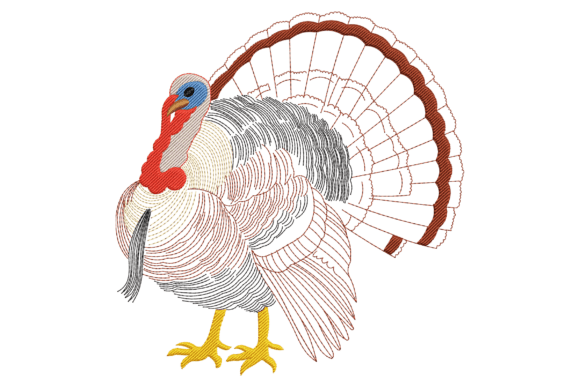
When I first opened the Turkey Bird file, the immediate takeaway was its playful yet sophisticated character. The title suggests a rustic or seasonal theme, which is often associated with autumn or Thanksgiving collections. However, the execution feels versatile enough to transcend typical holiday tropes. The layout appears balanced, offering a strong central focal point that works well for chest placements but also has the potential to serve as a statement back print.
The mood of the design leans towards "cute" and "rustic," making it highly appealing for our target demographic: creative entrepreneurs and handmade business owners who want their products to feel personal and artisanal. It avoids being overly childish, instead opting for a decorative style that feels like a high-end handmade product. This distinction is crucial for boutique brands aiming to justify premium pricing.
Fabric Compatibility and Visual Impact
Sweatshirt embroidery presents unique challenges due to fabric thickness and texture. Here is how Turkey Bird performs across different fabric choices:
- Neutral Sweatshirts: On heather grey or oatmeal-colored fabrics, the design pops without being overwhelming. The contrast allows the details of the bird’s feathers to remain visible, ensuring the embroidery file reads clearly even from a distance.
- Dark Fabric: When placed on black or navy hoodies, the design takes on a bolder, more urban edge. Using light or metallic thread colors can elevate this look, transforming a casual hoodie into a streetwear staple.
- Pastel Colors: Soft pink or baby blue sweatshirts enhance the "cute" aspect of the design. This combination is particularly effective for spring or early summer drops, proving that the design is not limited to fall seasons.
- Oversized Hoodies: For oversized fits, the scale of Turkey Bird works beautifully. It does not get lost in the volume of the garment, maintaining its integrity as a key brand identifier.
Stitch Density and Technical Execution
One of the primary concerns when digitizing a bird motif is stitch density. If the density is too low, the design may look sparse on thick fleece. If it is too high, the fabric may pucker. Based on my preliminary assessment, the Turkey Bird design utilizes a smart mix of fill stitches and satin stitches. This approach ensures that the feathers have texture and depth without becoming stiff or uncomfortable against the skin.
For commercial embroidery, stability is key. I recommend using a cut-away stabilizer for all sweatshirt applications to prevent shifting during the hoop placement process. The design’s structure seems robust enough to withstand the tension of hooping large areas, which is common for back prints or large chest logos.
Placement Strategies for Boutique Brands
Versatility is what makes a digital embroidery file valuable for an Etsy seller or a small shop owner. Turkey Bird offers multiple placement options that can diversify your inventory:
- Chest Placement: A left-chest placement is subtle and professional. It works well for branded merchandise where you want the design to be recognizable but not distracting. This is ideal for corporate gifts or uniform-style apparel.
- Sleeve Accents: Due to its compact nature, the design can be scaled down for sleeve cuffs. This adds a delightful detail that customers notice upon closer inspection, enhancing the perceived value of the finished product.
- Back Designs: Placing the design centered on the back creates a bold fashion statement. This is excellent for lifestyle product photography, as it draws the eye and showcases the quality of the workmanship.
Thread Color Contrast
The success of any embroidery project relies heavily on thread selection. For Turkey Bird, I suggest experimenting with tonal threads for a minimalist look, or high-contrast colors for a playful vibe. Metallic threads could add a touch of luxury, making the piece stand out in online listings. Always test your thread colors on the actual fabric before committing to a full production run.
Commercial Viability and Brand Identity
In the crowded market of custom apparel, visual recognition is everything. A well-executed design like Turkey Bird contributes significantly to brand identity. It signals attention to detail and a commitment to quality. When customers see a clean, durable embroidery job, their trust in the brand increases.
Furthermore, this design is highly shareable. Its aesthetic appeal makes it perfect for social media marketing. You can create engaging content by showing the digitizing process, the stitching in action, and the final printable mockup previews. These design assets help drive traffic to your store and convert browsers into buyers.
Washing Durability and Longevity
For a small clothing brand, customer retention depends on product longevity. Embroidery on sweatshirts must endure frequent washing. The structural integrity of Turkey Bird suggests it will hold up well over time, provided proper care instructions are followed. The use of appropriate stabilizers and correct hoop placement ensures that the design remains flat and vibrant, preventing peeling or distortion.
Practical Considerations for Production
Before moving forward with mass production, there are several technical checks every designer should perform:
- Hoop Size: Verify that the design fits within your machine’s maximum hoop size. While most standard hoops accommodate this design, larger back prints may require multi-hooping techniques.
- Small-Size Readability: Test the design at various scales. Ensure that fine details do not merge together when embroidered on smaller garments or accessories.
- File Format: Confirm that the embroidery file is compatible with your specific software and hardware. Most modern machines accept .dst, .pes, or .jef formats, but compatibility varies.
Note: Specific details such as exact stitch count, license terms, and optimal hoop dimensions are not explicitly defined in the basic product description. It is essential to consult the original source or digitizer for these precise specifications before finalizing your production plan.
Conclusion
The Turkey Bird design is a strong candidate for inclusion in a boutique sweatshirt collection. Its blend of rustic charm and modern simplicity makes it appealing to a wide audience. From Etsy sellers looking to add seasonal items to established brands seeking fresh design assets, this piece offers versatility and quality. By paying close attention to fabric choice, thread contrast, and technical execution, you can transform this digital asset into a standout physical product that resonates with your customers.
Whether used for a cozy winter drop or a playful spring collection, Turkey Bird delivers the visual punch and professional finish that today’s consumers expect from custom apparel. It is a testament to the power of thoughtful design in the world of commercial embroidery.