Baby Camel Embroidery Design Review
As an embroidery designer who spends hours fine-tuning stitch paths and testing fabric compatibility, I approach every new download with a mix of curiosity and skepticism. When I first encountered the Baby Camel design on Creative Fabrica, my initial thought was not just about its visual charm, but about its practical application in real-world commercial projects. This review explores whether this specific machine embroidery design holds up under the pressure of production work, from custom apparel to high-volume Etsy listings.
First Impressions: Visual Mood and Detail Level
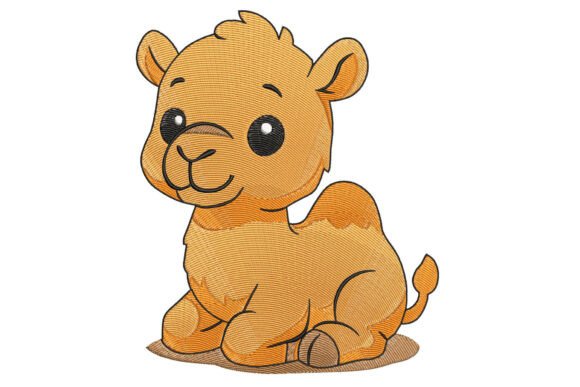
The moment you open the file, the personality of the Baby Camel jumps out. It is not merely a generic animal outline; it possesses a distinct decorative appeal that feels both whimsical and polished. For designers looking for something to add a fun and quirky touch to their inventory, this design delivers immediately. The line work suggests a soft, approachable aesthetic that resonates well with current trends in nursery decor and boutique children’s wear.
Visually, the design strikes a balance between simplicity and character. It avoids the cluttered look of overly complex scenes, which is crucial for maintaining clarity when digitized. The stitch density appears thoughtful, likely utilizing a combination of satin stitch for outlines and fill stitch for body mass to create texture without weighing down the fabric. This makes it an excellent candidate for a wide variety of substrates, provided the underlying structure is sound.
Real-World Application: Where Does Baby Camel Fit?
In my workflow, I constantly ask: "Where will this sell?" The versatility of the Baby Camel embroidery file is one of its strongest assets. It naturally fits into several lucrative niches:
- Custom Apparel: Placed on the chest of a crewneck sweatshirt or the pocket of a hoodie, it adds a subtle, trendy element for young children or animal lovers.
- Baby Items: A baby blanket or a muslin swaddle becomes instantly more valuable with this charming update. The soft theme aligns perfectly with gift-giving occasions like baby showers.
- Kitchen and Home Decor: Embellishing kitchen towels or pillow covers with this design can elevate a simple craft fair product into a boutique item. It brings warmth to the home environment.
- Accessories: Tote bag designs often benefit from central, focused motifs. This camel works beautifully as a standalone graphic on canvas totes, appealing to parents and teachers alike.
Furthermore, for digital product sellers, this design serves as a strong foundation for creating printable mockups. High-quality images of the finished product can drive traffic to your shop before you even produce a single physical item.
Technical Performance and Stitch Analysis
When evaluating any embroidery design, the devil is in the details. While I cannot confirm the exact stitch count or file formats without checking the specific product page, the visual cues suggest a well-executed digitization. The Baby Camel likely relies on clean transitions between color blocks, which minimizes thread breaks and jump stitches during the embroidery process.
One area to watch closely is the small lettering if included. Many modern designs include names or short phrases. If this file includes text, ensure that the font size is large enough to remain legible after washing. Tiny text can easily distort if the stitch density is too high or if the stabilizer choice is incorrect.
The use of running stitch for finer details, such as eyes or nostrils, adds a handcrafted feel that contrasts nicely with the solid fills. However, designers must be cautious with these delicate elements. On stretchy fabrics like jersey knit, small running stitches can pucker if not properly supported. Always test on scrap fabric first to assess how the threads interact with the material's grain.
Practical Considerations for Production
To ensure your finished product meets professional standards, several technical factors must be addressed before hitting the "start" button on your machine.
Fabric and Stabilizer Selection
The success of the Baby Camel design depends heavily on what lies beneath it. For woven fabrics like cotton or linen, a cut-away stabilizer is generally recommended to provide long-term support, especially for items that will be washed frequently. For knits, such as t-shirts or sweatshirts, a tear-away or wash-away stabilizer might suffice, but only if the hoop tension is precise.
If you are working with dark fabric, consider using a top stabilizer or a water-soluble backing to prevent the bobbin thread from showing through. Conversely, on light fabrics, ensure that the thread colors chosen offer sufficient contrast against the background. The playful nature of the design allows for creative color palettes, but readability should never be compromised.
Hoop Size and Curved Surfaces
Check the hoop size requirements listed in the product details. If the design is compact, it is easier to manage on curved surfaces like caps or patches. For embroidered patches, the design may need additional border stitches to prevent fraying during trimming. Ensure that the design fits comfortably within your standard hoop dimensions to avoid awkward re-hooping or alignment issues.
Impact on Product Value and Brand Consistency
In the world of handmade goods, presentation is everything. A well-executed commercial embroidery project signals quality to the buyer. Using a cohesive design like the Baby Camel helps build brand consistency. If your shop specializes in cute, animal-themed gifts, having a library of high-quality designs allows you to rotate offerings while maintaining a recognizable style.
This design enhances buyer trust because it looks intentional and polished. Poorly digitized designs often result in loose threads, puckering, or misaligned patterns, which can lead to negative reviews. By choosing a design that demonstrates good structural integrity, you protect your reputation as a seller. Additionally, the "quirky" aspect mentioned in the product description gives your products a unique selling proposition (USP) that stands out in crowded marketplaces like Etsy.
Final Verdict and Recommendations
Overall, the Baby Camel embroidery design appears to be a solid addition to any designer’s asset library. Its charming aesthetic and apparent technical competence make it suitable for a range of applications, from personal gifts to commercial merchandise. It successfully bridges the gap between artistic appeal and manufacturability.
Before incorporating this into your production line, I recommend the following steps:
- Review File Details: Confirm the file formats, hoop size, and license terms directly on the Creative Fabrica product page. Ensure you have the right to sell finished items.
- Test Stitch Density: Run a sample on your target fabric to check for puckering or thread breaks.
- Inspect Small Details: Zoom in on the digitized preview to ensure tiny elements are robust enough for mass production.
- Create Mockups: Develop high-quality visuals to showcase the design on various products before listing them.
For embroidery designers, Etsy sellers, and crafters looking to expand their catalog with reliable, visually appealing assets, the Baby Camel offers a promising opportunity. It embodies the kind of thoughtful design that encourages customer engagement and repeat business. Just remember that even the best files require proper execution—choose your materials wisely, stabilize correctly, and always prioritize quality control.