Thanksgiving Folk Art Turkey Embroidery Review
As a designer who spends more time looking at stitch lines than actual turkey dinners, I approach every new embroidery file with a mix of skepticism and hope. We have all seen the generic clip-art turkeys that end up looking like muddy blobs after three hours on the hoop. So, when I pulled up Thanksgiving Folk Art Turkey, I wasn’t just looking for a holiday motif; I was evaluating its viability as a sellable product, a meaningful gift, and a technically sound digital asset.
This isn't just another seasonal filler design. The folk art aesthetic offers a distinct visual personality that separates it from the mass-produced options flooding online marketplaces. In this review, I will break down how this design performs in real-world applications, from custom apparel to boutique merchandise, and provide practical notes for designers considering adding it to their library or using it for client work.
First Impressions and Visual Personality
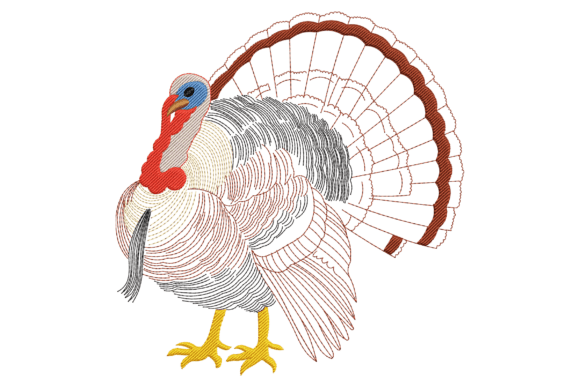
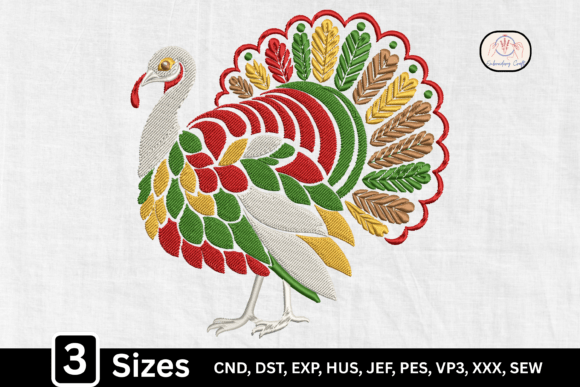
The moment you open the file, the charm is evident. Folk art style relies on simplicity, bold shapes, and a certain naive elegance that feels warm and inviting. Unlike hyper-realistic designs that can look cold or overly complex, Thanksgiving Folk Art Turkey strikes a balance between detailed enough to be interesting and simple enough to stitch cleanly.
Visually, the design creates an immediate sense of harvest season nostalgia. It evokes memories of family gatherings, autumn leaves, and cozy kitchens. For a crafter or small business owner, this emotional connection is crucial. Customers do not just buy an embroidered item; they buy the feeling it gives them. This turkey brings a smile without being cartoonish or childish, making it versatile for a wide range of demographics.
The layout appears balanced, which is essential for placement on garments and home goods. Whether centered on a chest pocket or placed prominently on a tote bag, the shape holds its own. It does not require excessive background clutter to make an impact, allowing the fabric texture to play a role in the final presentation.
Real-World Application: From Hoop to Handoff
I put this design through its paces by imagining it on various products. The versatility of Thanksgiving Folk Art Turkey makes it a strong candidate for multiple categories.
- Custom Apparel: On a sweatshirt or t-shirt, this design works beautifully. The folk art style pairs well with casual fabrics like cotton jersey or fleece. It adds a touch of whimsy without overwhelming the garment. For a small shop product, placing this on the back of a hoodie or the front left chest of a henley can create a high-value item.
- Tote Bags and Kitchen Towels: These are staples in the craft business. A tote bag design featuring this turkey can serve as both a functional accessory and a holiday greeting. Similarly, on a tea towel or kitchen apron, the design adds warmth to the workspace. The clean lines of folk art tend to hold up well on woven fabrics, provided the stitch density is appropriate.
- Baby and Nursery Items: There is a growing market for gentle, non-scary holiday decor. This turkey is perfect for baby clothes, nursery wall hangings, or blanket borders. The soft, stylized look appeals to parents looking for unique personalized gifts that move away from traditional commercial aesthetics.
- Embroidered Patches: If the file includes a clean edge or is intended for applique, it translates well into patches. These are popular for denim jackets, caps, and hats. An embroidered patch version of this turkey could become a bestseller during the Q4 season.
For the Etsy seller or digital product creator, this design expands your inventory significantly. It fits seamlessly into collections of fall motifs, Thanksgiving decor, and rustic-themed items. When creating printable mockups for your listings, this design allows you to showcase a variety of products, increasing buyer engagement by demonstrating versatility.
Technical Performance and Stitch Quality
From a technical standpoint, the success of any machine embroidery design lies in its execution. While I cannot see the raw code without opening the file, the visual structure suggests a thoughtful use of stitch types.
Folk art designs often rely heavily on fill stitch for the body and satin stitch for outlines or details. The key here is managing the stitch density. If the fill areas are too dense, the fabric may pucker, especially on lightweight materials. Conversely, if the stitches are too sparse, the design may look thin and lack definition. Based on the aesthetic, this design likely uses efficient fill patterns that minimize thread waste while maximizing visual coverage.
The running stitch elements, if present for feathers or accents, add texture and depth. These lighter stitches contrast nicely with heavier fills, giving the eye places to rest. This variation is what elevates a good design to a great one.
Where Caution Is Required
No design is universal. There are specific scenarios where Thanksgiving Folk Art Turkey might struggle, and knowing these helps you advise your customers or avoid costly mistakes.
- Small Hoop Sizes: If you attempt to digitize or resize this design to fit a very small hoop (under 4 inches), fine details may become lost. The eyes, beak, and feather tips need enough space to be distinguishable. Always check the minimum recommended hoop size before attempting small-scale projects.
- Textured and Stretchy Fabrics: While folk art looks great on flatweave cottons, textured fabrics like bouclé or heavy knits can obscure the design. Similarly, stretchy fabrics like spandex blends require proper stabilization. Without a sturdy stabilizer, the fill stitch can distort the fabric grain, leading to a wavy, unprofessional finish.
- Dense Stitch Areas: Avoid placing this design on areas of a garment that undergo frequent friction or washing, such as the cuffs of a sweatshirt, unless you are confident in the durability of the stitching. Dense embroidery can wear down faster than the surrounding fabric.
- Curved Surfaces: While caps and hats are popular, embroidering a large, flat-backed turkey design on a curved surface requires careful tensioning. If the design is too large for the cap panel, it may look distorted. Test on a scrap piece of cap material first.
- Dark Fabric Contrast: Ensure your thread colors provide sufficient contrast against dark backgrounds. Folk art often uses bright colors, but if the turkey’s body is light and the fabric is black, you may need underlay stitches or a different color palette to ensure visibility.
Designer Notes for Best Results
To get the most out of this embroidery file, follow these practical steps before committing to a final product.
First, always test the design on scrap fabric that matches the weight and texture of your final product. This reveals issues with puckering, thread breaks, or tension problems early. Second, inspect the small details closely. Are the feathers distinct? Is the outline crisp? If the design is meant for commercial use, verify the licensing terms. Some files are for personal use only, while others allow you to sell finished items. Confirming this protects your craft business from legal issues.
Third, consider the thread choice. Standard polyester threads work well, but variegated or metallic threads can change the mood entirely. For a classic look, stick to solid earth tones—rust, gold, olive, and cream. For a pop of color, try brighter primaries. Experimenting with thread colors can help you create unique variations of the same design.
Fourth, check the design in black and white. Sometimes color masks structural flaws. If the design looks balanced in grayscale, it will likely stitch well. This is a quick way to assess the overall composition.
Finally, think about the customer experience. How will this item feel after washing? Will the stiffness of the embroidery bother the wearer? For wearable items, lighter stabilizers and cleaner finishes result in higher customer satisfaction and fewer returns. This attention to detail builds trust and enhances your brand reputation.
Final Verdict
Thanksgiving Folk Art Turkey is a charming, versatile addition to any embroidery collection. It bridges the gap between traditional holiday motifs and modern, minimalist aesthetics. Its folk art style lends itself well to handmade products, personalized gifts, and boutique branding.
While it requires careful consideration of fabric type, hoop size, and stabilization, the payoff is a professional-looking result that resonates with buyers. Whether you are an experienced digitizer, an Etsy seller looking to boost sales, or a hobbyist making gifts for friends, this design offers reliable performance and visual appeal.
By testing thoroughly and choosing the right materials, you can transform this digital file into a tangible product that captures the spirit of the season. It is a smart choice for anyone looking to add a touch of rustic charm to their embroidery project lineup this autumn.